
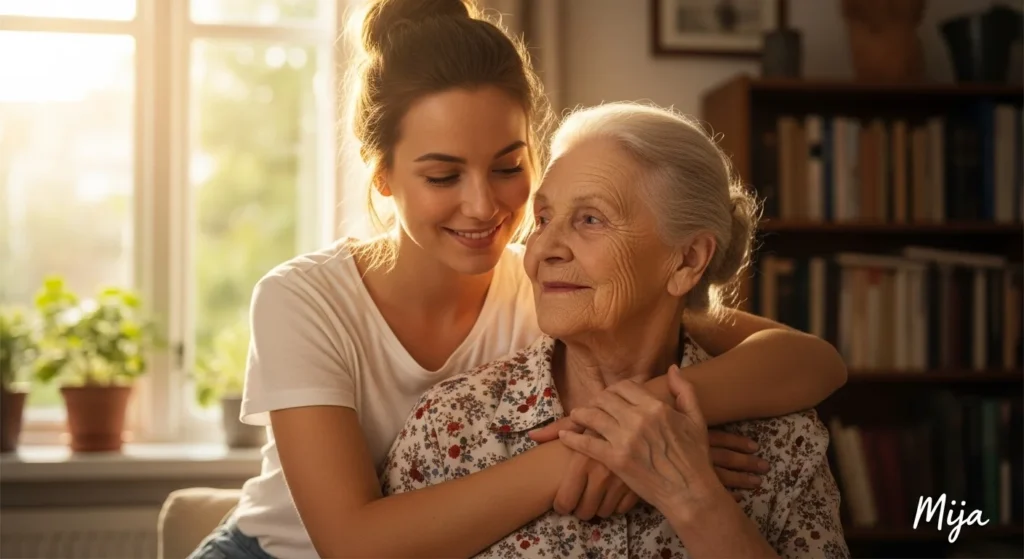
The term “Mija” is widely used as an affectionate expression in Spanish-speaking cultures. Derived from “mi hija”, meaning “my daughter,” Mija has evolved into a term of endearment for friends, loved ones, and even casual acquaintances.
The 290+ Mija meaning explores its origins, cultural nuances, emotional connotations, and modern usage. Understanding this term helps navigate relationships, communication, and cultural expressions of care and respect.
Origins and Linguistic Roots
Mija originates from Spanish familial expressions, primarily combining “mi” (my) and “hija” (daughter). Over time, it has become a versatile term of affection, used by parents, older relatives, friends, and partners.
The term reflects cultural emphasis on family bonds, respect, and warmth, emphasizing closeness and emotional connection. Mija is often paired with other affectionate terms like mijo (my son), mi amor (my love), or cariño (darling).
Mija as an Expression of Affection
Mija is commonly used to show care, love, and protection. Parents use it to address daughters tenderly, while elders may use it with younger people as a sign of guidance and warmth.
It can also appear in friendships or romantic contexts, expressing closeness, trust, and emotional connection. The affectionate tone of Mija makes it a comforting and familiar term, bridging generations and social relationships.
Cultural Significance
In Latin American and Spanish-speaking cultures, Mija is more than a word—it is a cultural marker of familiarity and endearment. It reflects respect, care, and social cohesion, often used in everyday interactions.
Mija is frequently heard in family gatherings, street conversations, and casual communication, signaling warmth and shared cultural identity. Its usage highlights the importance of relationships and emotional expression in these societies.
Modern and Digital Usage
In modern contexts, Mija has expanded into digital communication, social media, and pop culture. It is often used in texts, tweets, and online comments to express affection, camaraderie, or encouragement.
Memes, videos, and short clips frequently incorporate Mija as a humorous or loving exclamation, demonstrating how traditional expressions adapt to contemporary communication.
Mija is now widely understood beyond Spanish-speaking communities, reflecting cultural diffusion and global language adaptation.
Symbolism of Mija
Mija carries multiple symbolic meanings:
Affection and love: Demonstrating care and emotional closeness
Guidance and protection: Often used by elders to younger people
Familiarity and trust: Strengthening social and personal bonds
Cultural identity: Reflecting family-centered traditions and values
Warmth and reassurance: Providing comfort and emotional support
Its versatility allows Mija to convey nuanced emotional messages in diverse contexts.
Mija in Literature, Music, and Media
Mija frequently appears in songs, literature, television, and films as a representation of love, care, or familial connection. Characters may use it to address children, loved ones, or close friends, emphasizing emotional bonds and cultural authenticity.
Musical lyrics often include Mija to convey warmth, encouragement, or nostalgia, resonating with audiences who recognize its cultural and emotional weight.
Media and literature demonstrate Mija’s enduring significance and adaptability, bridging traditional expressions with modern storytelling.
Psychological and Social Impact
Using Mija in communication has psychological benefits, creating a sense of belonging, emotional security, and warmth. Being addressed as Mija can evoke feelings of care, value, and attention.
Socially, Mija strengthens family ties, friendships, and community relationships. It encourages emotional expression and reinforces positive social interactions in both private and public settings.
Interpretation and Cultural Insights
Mija is a multifaceted term, conveying:
Spiritual or emotional connection through familial care
Cultural continuity and respect for tradition
Social closeness and affectionate bonding
Emotional reassurance and psychological comfort
Understanding the nuances of Mija allows appreciation of its historical, cultural, and emotional layers across generations.
Frequently Asked Questions
What does Mija mean?
Mija is an affectionate term meaning “my daughter” or used more broadly for loved ones.
Where did the term Mija originate?
It originates from Spanish, combining “mi” (my) and “hija” (daughter).
Can Mija be used for friends or partners?
Yes, it is commonly used for friends, romantic partners, and close acquaintances.
Is Mija only used in Spanish-speaking countries?
Primarily, but it has spread through digital media and pop culture, gaining global recognition.
What emotions does Mija convey?
It conveys affection, care, trust, warmth, and familiarity.
Conclusion
The 290+ Mija meaning highlights its role as a term of affection, cultural marker, and emotional connector. From family interactions to modern digital communication, Mija continues to convey love, warmth, and social cohesion.
Embracing the full range of Mija meanings allows for more heartfelt communication, deeper cultural understanding, and stronger social bonds.