Bible Verses About Cutting Hair on the Sides
- “Ye shall not round the corners of your heads…” — Leviticus 19:27 (KJV)
- “They shall not make baldness upon their head, neither shall they shave off the corner of their beard…” — Leviticus 21:5 (KJV)
- “Ye shall not cut yourselves, nor make any baldness between your eyes for the dead.” — Deuteronomy 14:1 (KJV)
➡️ These verses are from Old Testament laws given to Israel. Many Christians understand them as ceremonial laws specific to that time and culture.
Is It a Sin for a Woman to Cut Her Hair?
- The New Testament focuses more on modesty, order, and respect, not strict hair length rules:
- “But if a woman have long hair, it is a glory to her…” — 1 Corinthians 11:15 (KJV)
- “Doth not even nature itself teach you, that, if a man have long hair, it is a shame unto him?” — 1 Corinthians 11:14 (KJV)
➡️ The Bible does not clearly say “cutting hair is a sin” for women.
➡️ It emphasizes attitude, modesty, and respect in worship, not legalistic hair rules.
Bible Verses About Hair of a Woman
- “But if a woman have long hair, it is a glory to her…” — 1 Corinthians 11:15 (KJV)
- “Her hair is given her for a covering.” — 1 Corinthians 11:15 (KJV)
- “Let your women keep silence in the churches…” (context of order in worship) — 1 Corinthians 14:34 (KJV)
- “Whose adorning… let it not be that outward adorning… but the hidden man of the heart.” — 1 Peter 3:3–4 (KJV)
What Does the Bible Say About Man Cutting Hair?
- “Doth not even nature itself teach you, that, if a man have long hair, it is a shame unto him?” — 1 Corinthians 11:14 (KJV)
- “They shall not shave off the corner of their beard…” — Leviticus 21:5 (KJV)
➡️ The general principle in Paul’s teaching is that:
- Men typically keep shorter hair
- It reflects distinction in roles and cultural order
Is It a Sin to Cut Your Hair as a Man?
- The Bible does not say it is a sin for men to cut hair
- In fact, hair cutting is normal in Scripture and culture
- The key issue is not hair length but:
- Obedience to God
- Humility
- Not following vanity or rebellion
Bible Verses About Hair of a Man
- “If a man have long hair, it is a shame unto him.” — 1 Corinthians 11:14 (KJV)
- “They shall not shave off the corner of their beard…” — Leviticus 21:5 (KJV)
- “Samson shall be a Nazarite unto God… no razor shall come upon his head…” — Judges 13:5 (KJV) (special vow, not general rule)
What Does the Bible Say About Cutting Hair as a Woman?
- “But if a woman have long hair, it is a glory to her…” — 1 Corinthians 11:15 (KJV)
- “Her hair is given her for a covering.” — 1 Corinthians 11:15 (KJV)
- The Bible emphasizes:
- Respect in worship
- Modesty
- Not copying shameful cultural practices of that time
➡️ Conclusion:
- The Bible does not clearly call hair cutting a sin for women
- It encourages feminine appearance, modesty, and respect in worship context
Hair as a Symbol of Dedication
Numbers 6:5
Description: Nazirites must not cut their hair during their vow.
Interpretation: Hair symbolizes dedication and separation for God.
Judges 13:5
Description: Samson was a Nazirite from birth; his hair was never cut.
Interpretation: Hair represents consecration to God.
Luke 7:37–38
Description: A woman anoints Jesus and lets her hair down.
Interpretation: Hair can symbolize humility and devotion.
1 Corinthians 11:14–15
Description: Hair is given as a covering; long hair is a glory for women.
Interpretation: Hair reflects identity and honor in God’s design.
Numbers 6:18
Description: After the vow, the hair is cut and offered to the Lord.
Interpretation: Hair serves as an offering and spiritual symbol.
Ezra 9:3
Description: Hair tearing as a sign of mourning and repentance.
Interpretation: Hair expresses grief or humility.
1 Samuel 1:11
Description: Hannah prays and dedicates her hair to the Lord.
Interpretation: Hair can symbolize a personal vow to God.
Psalm 139:14
Description: God’s creation, including hair, is wonderfully made.
Interpretation: Hair is part of God’s intentional design.
Leviticus 13:40–41
Description: Hair removal may indicate cleanliness or disease management.
Interpretation: Hair has practical and ceremonial significance.
2 Samuel 14:26
Description: Absalom’s hair was heavy and became symbolic of strength.
Interpretation: Hair can reflect physical or spiritual strength.
Isaiah 3:24
Description: Hair ornamentation is noted in passages about pride and vanity.
Interpretation: Hair reflects both beauty and potential for pride.
1 Corinthians 11:5
Description: Women pray or prophesy with hair uncovered.
Interpretation: Hair can symbolize openness or spiritual authority.
Hair and Mourning or Humility
Ezra 9:3
Description: Hair tearing as an expression of grief.
Interpretation: Physical acts with hair symbolize emotional pain.
Nehemiah 13:25
Description: Rebuking men for intermarriage; hair may be cut in punishment.
Interpretation: Hair cutting can reflect repentance or submission.
Jeremiah 41:5
Description: Men shave their heads in grief or humiliation.
Interpretation: Hair expresses sorrow or humility.
Ezekiel 5:1
Description: Ezekiel shaves hair to symbolize judgment.
Interpretation: Hair communicates obedience and symbolic messages.
Leviticus 19:27
Description: Do not cut the hair at the sides of the head.
Interpretation: Hair laws indicate holiness and obedience.
Deuteronomy 21:12–13
Description: Hair cutting may be associated with ceremonial rites.
Interpretation: Hair has ritual and spiritual significance.
Psalm 50:3
Description: Hair seen in the context of sacred worship.
Interpretation: Hair reflects reverence for God.
Ruth 3:3
Description: Grooming for a special meeting, possibly involving hair.
Interpretation: Hair reflects preparation and respect.
Isaiah 7:20
Description: Hair cutting as a sign of divine warning.
Interpretation: Hair can communicate messages from God.
Ezekiel 8:3
Description: Hair is mentioned in visionary contexts.
Interpretation: Hair symbolizes obedience and divine interaction.
1 Samuel 15:33
Description: Hair used symbolically in execution of judgment.
Interpretation: Hair can represent life, strength, or punishment.
Lamentations 5:14
Description: Hair tearing reflects anguish and sorrow.
Interpretation: Hair is part of ritualized expression of grief.
Hair as Strength or Pride
Judges 16:17
Description: Samson’s strength was in his hair.
Interpretation: Hair can symbolize divine strength and covenant.
2 Samuel 14:26
Description: Absalom’s hair represented beauty and pride.
Interpretation: Hair reflects personality and presence.
1 Corinthians 11:15
Description: Long hair is a glory for a woman.
Interpretation: Hair reflects honor and identity.
Isaiah 3:24
Description: Hair ornaments noted as vanity.
Interpretation: Pride can manifest through hair or styling.
Psalm 92:10
Description: Hair may symbolize flourishing and vitality.
Interpretation: Strength and prosperity reflected in hair.
Daniel 1:3
Description: Hair grooming aligns with royal or ceremonial preparation.
Interpretation: Hair reflects readiness and presentation.
Exodus 28:40
Description: Priestly garments with hair considerations.
Interpretation: Hair complements holy service.
2 Samuel 10:4–5
Description: Cutting hair as punishment or humiliation.
Interpretation: Hair can signal shame or social status.
Genesis 29:17
Description: Rachel’s hair mentioned as part of her beauty.
Interpretation: Hair contributes to God-given attractiveness.
1 Samuel 16:12
Description: Hair as an indicator of youth or appearance.
Interpretation: God notices details of our natural design.
Ezekiel 44:20
Description: Priests not shaving heads or beards.
Interpretation: Hair in sacred roles symbolizes holiness.
Leviticus 21:5
Description: Priests must not shave heads.
Interpretation: Hair signifies dedication to God’s service.
Cultural and Ceremonial Hair Practices
Numbers 6:2–21
Description: Nazirite vow forbade cutting hair.
Interpretation: Hair symbolizes separation and consecration.
Leviticus 13:45–46
Description: Hair shaved due to leprosy or ceremonial purification.
Interpretation: Hair communicates ritual cleanliness.
Deuteronomy 21:10–14
Description: Hair may be groomed after captivity or rites.
Interpretation: Hair aligns with transformation or acceptance.
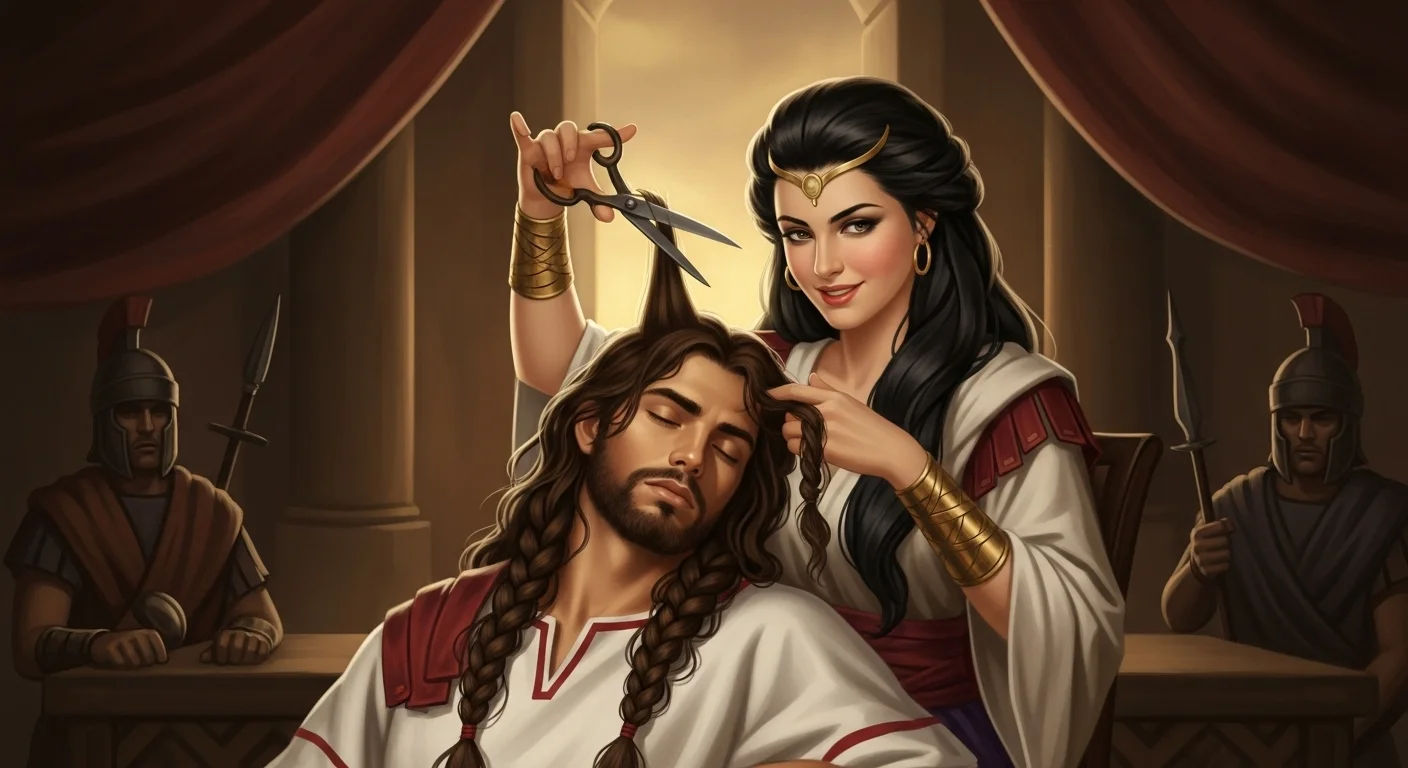
Judges 16:19
Description: Delilah cuts Samson’s hair to weaken him.
Interpretation: Hair can be connected to power or vulnerability.
Ezekiel 44:20
Description: Priests’ hair remains uncut during service.
Interpretation: Hair honors divine assignment.
1 Corinthians 11:6
Description: Covering hair during prayer or prophecy.
Interpretation: Hair reflects spiritual propriety.
Ezra 9:3
Description: Hair tearing during mourning.
Interpretation: Hair communicates repentance or grief.
Numbers 6:18
Description: Hair shaved and offered after Nazirite vow.
Interpretation: Hair as symbolic offering.
Leviticus 19:27
Description: Restrictions on cutting corners of the head or beard.
Interpretation: Hair symbolizes holiness.
Judges 16:21
Description: Hair cut, leading to loss of strength.
Interpretation: Hair symbolizes God-given empowerment.
1 Samuel 1:11
Description: Hannah dedicates her hair to the Lord.
Interpretation: Hair expresses personal vows.
Psalm 139:14
Description: God’s creation, including hair, is marvelous.
Interpretation: Hair reflects God’s craftsmanship.
Hair in Worship and Prayer
1 Corinthians 11:4
Description: Men pray with uncovered heads.
Interpretation: Hair demonstrates reverence and spiritual order.
1 Corinthians 11:5
Description: Women pray or prophesy with hair covered.
Interpretation: Hair symbolizes authority and honor.
Luke 7:38
Description: Woman anoints Jesus and lets hair down.
Interpretation: Hair expresses worship and humility.
Psalm 50:3
Description: Hair in ceremonial contexts of offering.
Interpretation: Hair is part of worship expressions.
Ezra 9:3
Description: Hair tearing in repentance before God.
Interpretation: Hair communicates contrition.
Numbers 6:18
Description: Hair shaved and offered after Nazirite vow.
Interpretation: Hair signifies spiritual dedication.
Leviticus 13:40
Description: Shaving hair as a cleansing ritual.
Interpretation: Hair linked to ceremonial purity.
Isaiah 7:20
Description: Hair cutting as symbolic warning.
Interpretation: Hair communicates divine messages.
1 Samuel 1:11
Description: Hannah vows her hair to God.
Interpretation: Hair expresses personal devotion.
1 Corinthians 11:15
Description: Long hair as glory for women.
Interpretation: Hair reflects God-given dignity.
Exodus 28:40
Description: Priestly attire with hair considerations.
Interpretation: Hair enhances sacred representation.
2 Samuel 14:26
Description: Absalom’s hair reflected pride and beauty.
Interpretation: Hair can convey identity or social presence.